DEVELOPMENT EXAMPLE / CLOSURE TOOLING
Closure Concepts & Trial Tooling
Use physical samples to answer fit and function questions before committing to a production mold.
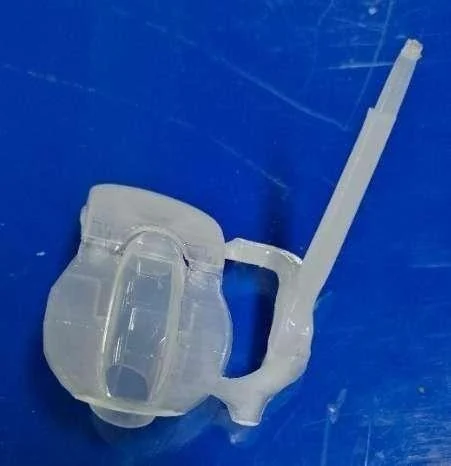
The development requirement
Our project archive includes bottle-lid, bottle-cap and flip-cap development. The common requirement is to turn a proposed closure geometry into a physical part that can be evaluated before the design and production investment are finalized. The next sample should answer a specific question about the mating container, closing action, assembly or appearance.
The route shown in the project materials
Part design is connected with low-volume prototypes, trial tooling, evaluation, revision and preparation for production. Tooling is a means of producing useful evidence rather than an isolated deliverable. A design review identifies the forming and assembly features; a trial build produces samples for the intended checks; the findings guide the next design or manufacturing decision.
| Application | Bottle lids, caps and flip-cap geometry in packaging development. |
| Project stage | Prototype and trial-tool development before a defined production commitment. |
| Design input | Part geometry, mating interfaces and the function the next sample needs to demonstrate. |
| Manufacturing approach | Rapid tooling and small-batch sample development, followed by evaluation and approved changes. |
| Next decision | Further iteration, a pilot build or preparation of a production tool, according to the actual test results. |
What a similar project should verify
For a new request, agree the relevant dimensions, fit with the real container, opening and closing behavior, appearance and any specified sealing test. When a hinge, liner or multiple closure components are involved, their interfaces belong in the evaluation. These are proposed review topics for the new project, not additional test results claimed for the historical example.
Prepare for the production step
A trial mold and a long-life production mold may have different construction and output objectives. Record the accepted material and geometry, remaining questions and expected quantities before choosing the next route. Production can include tool supply, molding, agreed assembly, inspection and packing. An automation proposal is separately scoped after the product and its acceptance criteria are understood.
A useful first brief
Send the closure and container geometry, material direction, sample requirement and the decision you need to make. Existing samples or a clear explanation of a failure are useful when the drawings are incomplete. This development example does not set a universal material, lead time, production quantity or tool-life guarantee for a new cap.
Discuss the next sample build ↗ · Closure molds · All project examples