ENGINEERING JOURNAL
Practical answers.
Better tooling decisions.
From a replacement insert to a production mold. Find clear guidance on machining, materials, interfaces, trials and the information a supplier needs to review your project.
Start with the decision you need to make.
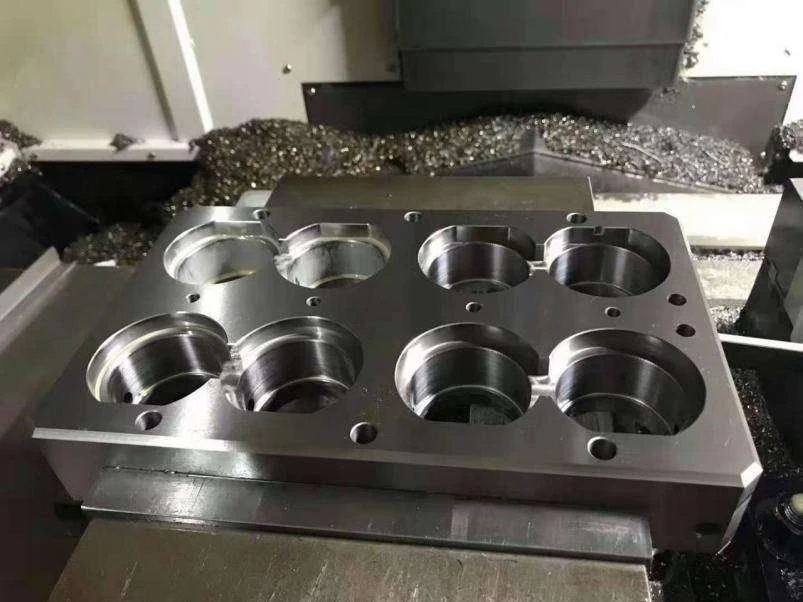
Buying mold components
Blank, semi-finished or ready to fit?
Define the material condition, remaining work, inspection and fitting responsibility before comparing prices.
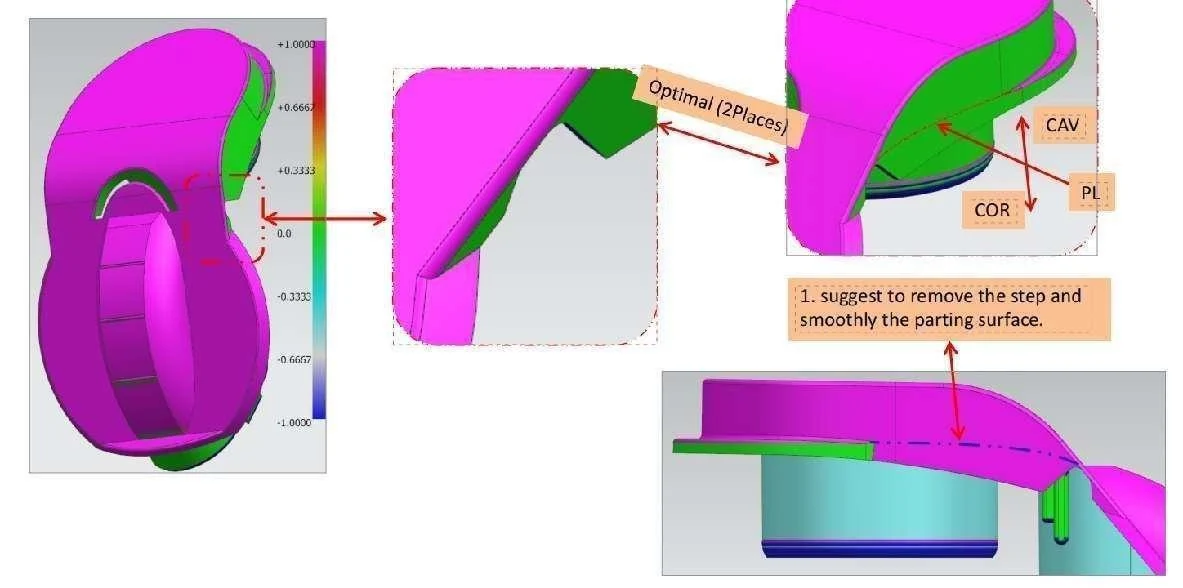
Before cutting steel
What should DFM and Moldflow decide?
Connect the design review and simulation to drawing changes, trial questions and acceptance criteria.
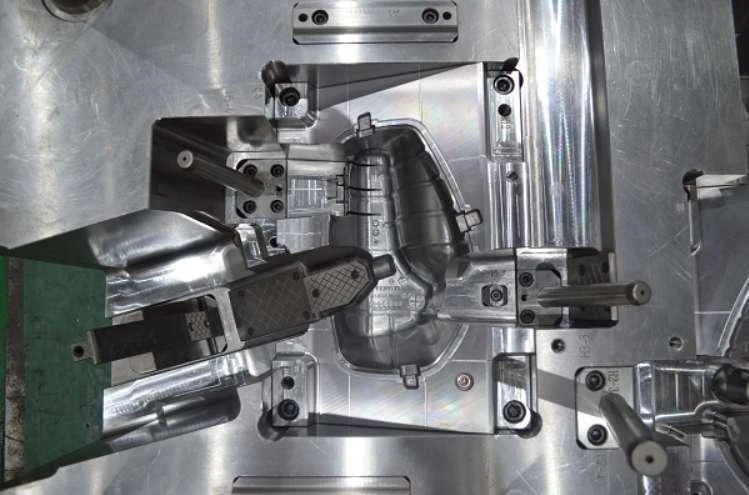
Materials & service conditions
P20, H13 or stainless mold steel?
Compare the application, finish and manufacturing route—not a grade name or hardness number alone.
Find a specific answer.
Machining & fit
CNC, EDM or grinding?
M8 tap-drill size
Replacement-insert fit
Threads & standards
Material & surface
Heat treatment and dimensions
SPI, VDI, texture and Ra
Insert-overmolding interfaces
Budget & development
Rapid tooling for R&D
Why mold prices vary
Mold life and maintenance
Acceptance & delivery
Trials and run-off records
Export packing and handover
Automation acceptance
More engineering guides
Cover images may be manufacturing illustrations. Technical guidance is supported by the references and project-specific conditions stated in each article.
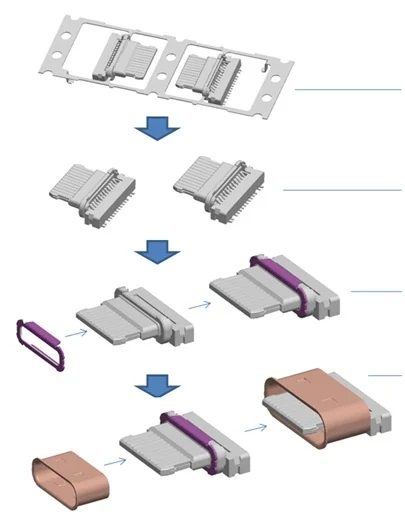
Insert Overmolding: Specify the Metal, Plastic and Silicone Interface Before Tooling
Plan insert location, shutoffs, surface condition, material compatibility, loading, inspection and functional validation before commissioning an overmolding tool.
Heat Treatment and Mold Insert Dimensions: Specify the Finished Condition
Clarify hardness, dimensional allowance, final grinding, coatings and inspection before ordering a heat-treated mold insert or replacement component.
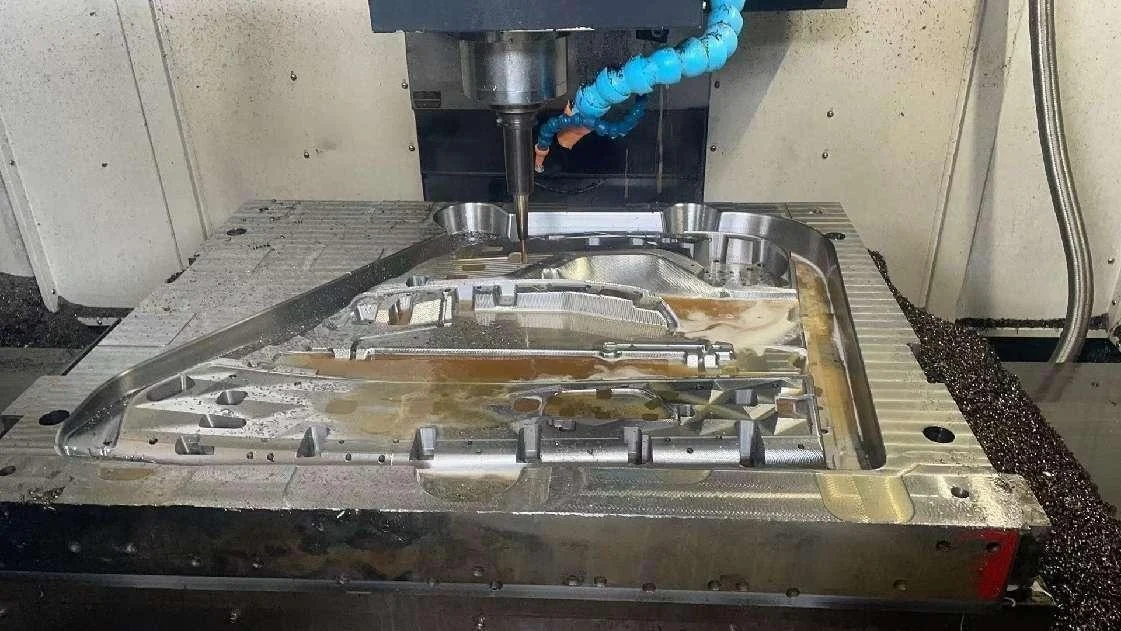
CNC Milling, EDM or Grinding? Choosing a Process Route for Precision Mold Inserts
Choose a machining route by cutter access, cavity geometry, heat-treated condition, datum control and the final inspection requirement—not the machine name alone.
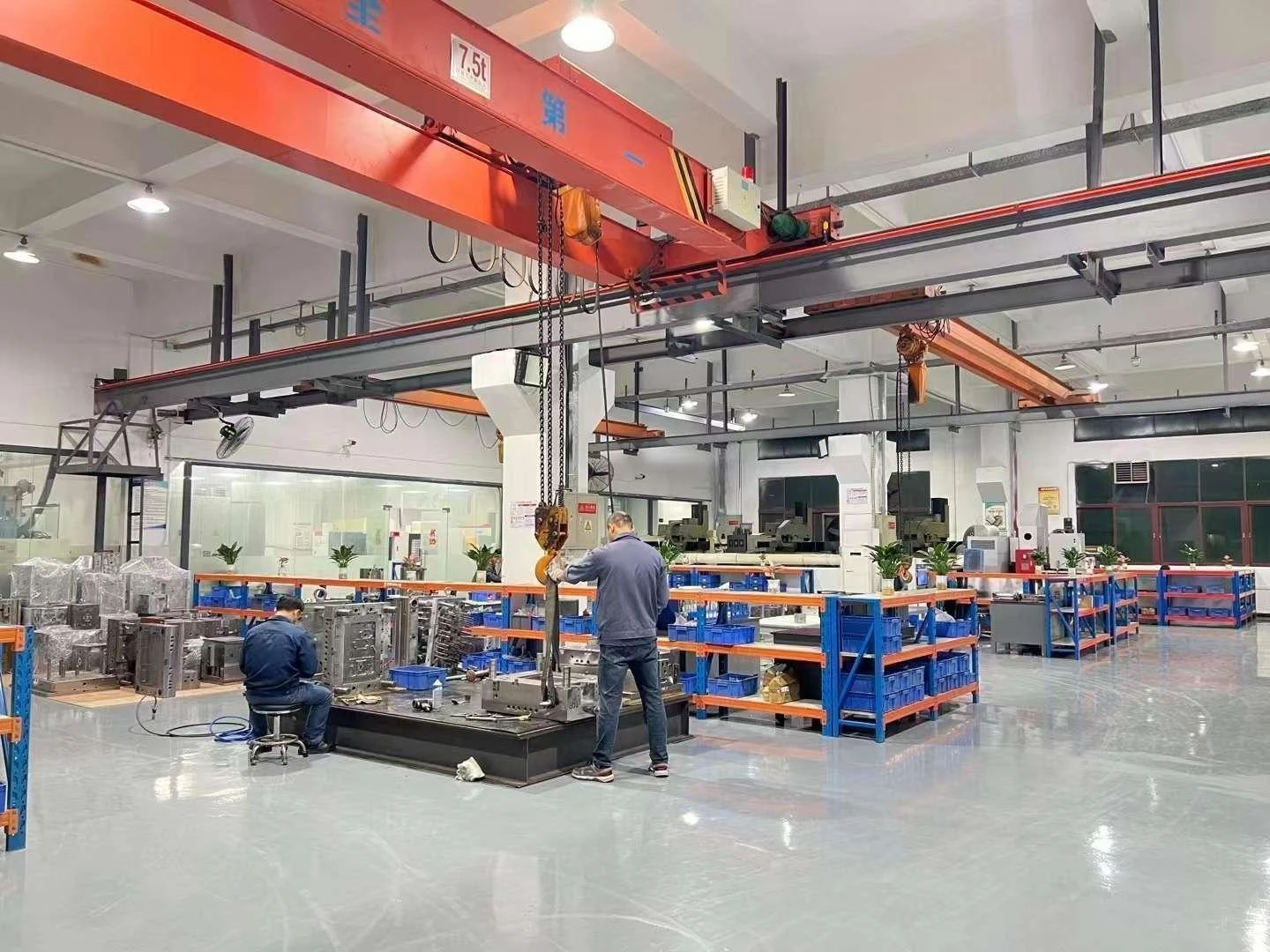
Modern Moldmaking in China: From Toolmaking Skills to Integrated Production
A selective history of modern moldmaking: process technology, China’s machinery development, trade integration and manufacturing clusters—and what buyers should verify today.
What Is a Mold? Cores, Cavities and the Tooling Behind a Finished Product
A mold is a manufacturing tool, not just two shaped steel blocks. Understand cores, cavities, inserts, motion, temperature control and the difference between buying components and buying…
Why a Precision Moldmaker Also Develops Hot-Press and Extrusion Tooling
NewwaySmart connects precision tooling with modified polymers, films and sheets. Injection, hot pressing and extrusion require different tooling logic but share material and process validation.
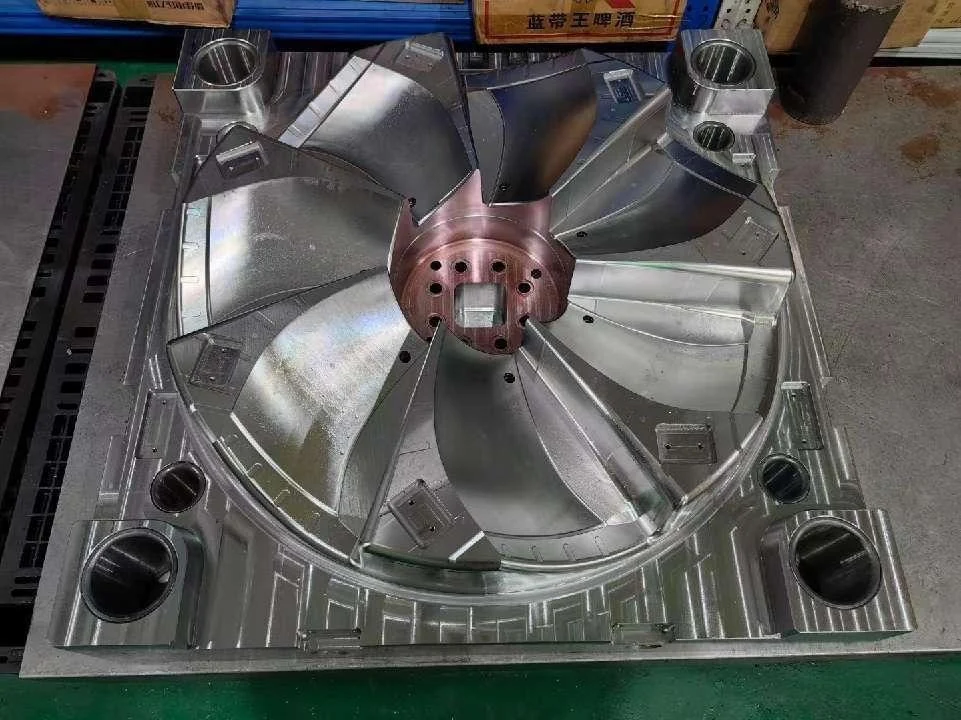
How Long Should an Injection Mold Last? Cycles, Wear Parts and Maintenance
Define mold life in cycles and accepted performance, not a steel name alone. Separate complete-tool life, replaceable wear items, maintenance and production quantity before ordering.
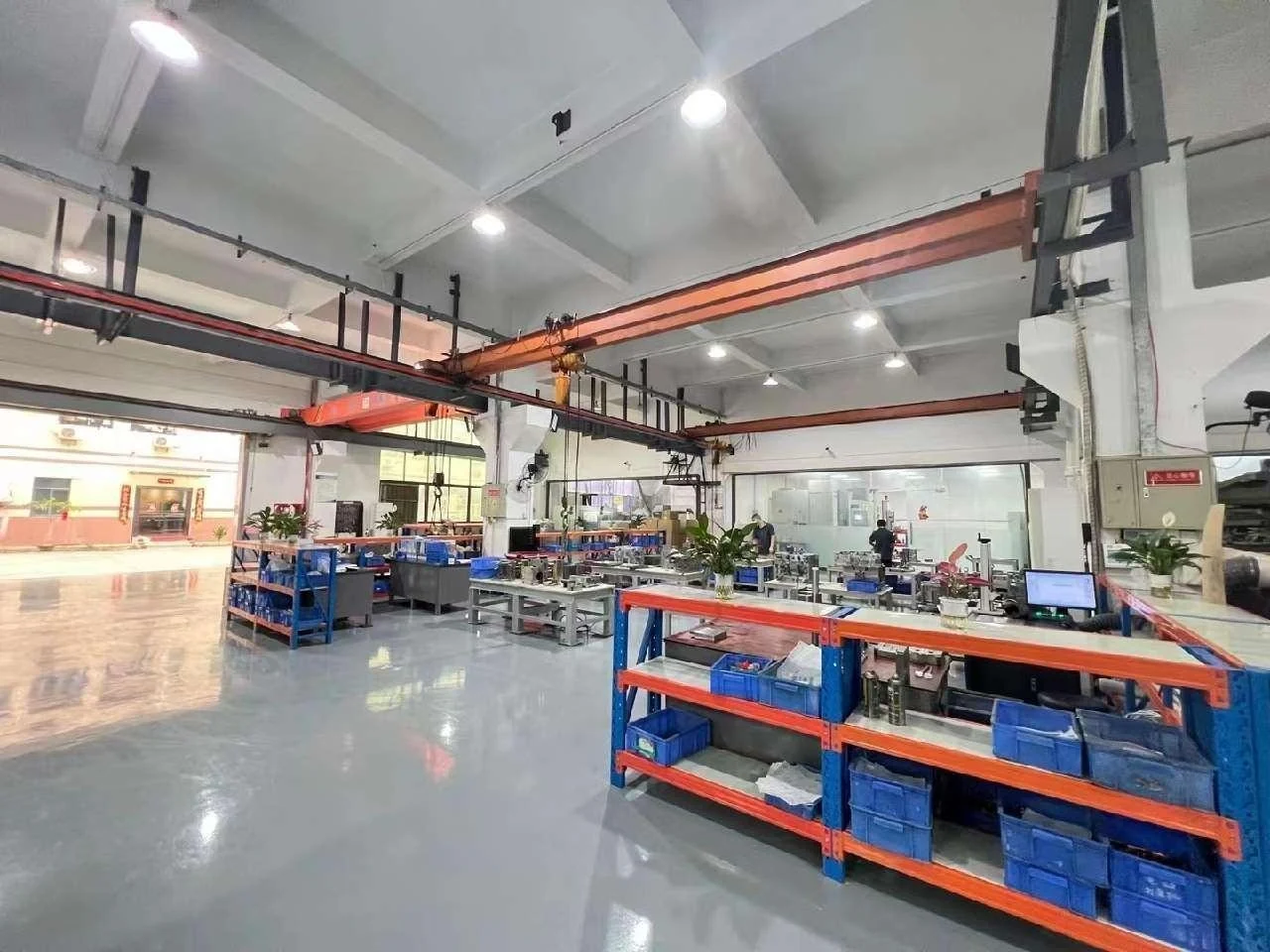
Why Injection Mold Prices Vary So Much: Compare the Scope Before the Number
Two quotes for the same plastic part may describe different tools. Compare cavity count, steel, actions, finish, validation, life and handover against your actual budget and production…
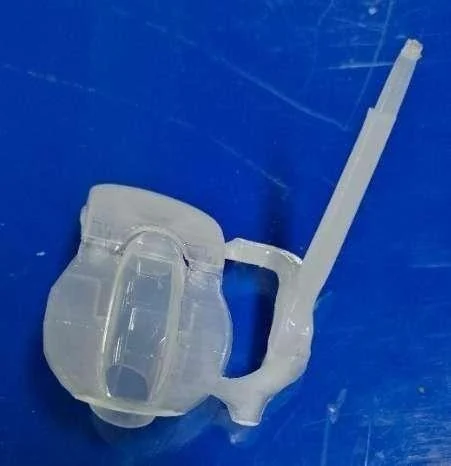
Why We Build Rapid Tools for R&D: Real Molded Parts Before a Full Production Investment
Rapid tooling grew from customers needing hundreds or thousands of real-material parts on limited development budgets. Selected qualified projects can reach tooling and samples in one working…
Which Mold Lifter Design Works Best? Geometry, Guidance and Return Come First
Choose a mold lifter by undercut release, ejector travel, lateral movement, guidance and reliable return. Compare simple angled lifters, guided coupling systems and alternative mechanisms.
Mold Slide Design: Angle Pins, Hydraulic Core Pulls and Other Side Actions
Compare mechanical slides, hydraulic or electric core pulls and hand-loaded inserts. Review undercut clearance, support, locking, sequencing and service before choosing a mechanism.
HASCO, DME, JIS and DIN: What an Export Mold Specification Really Needs
Separate mold-component brands, catalog systems and formal standards. Build an export-tool specification covering bases, alignment, ejection, cooling, electrics and destination spares.