PRECISION MOLD COMPONENTS
Precision Mold Cavities
Custom cavity blocks and cavity inserts, from machining and fitting references to finished molding surfaces.
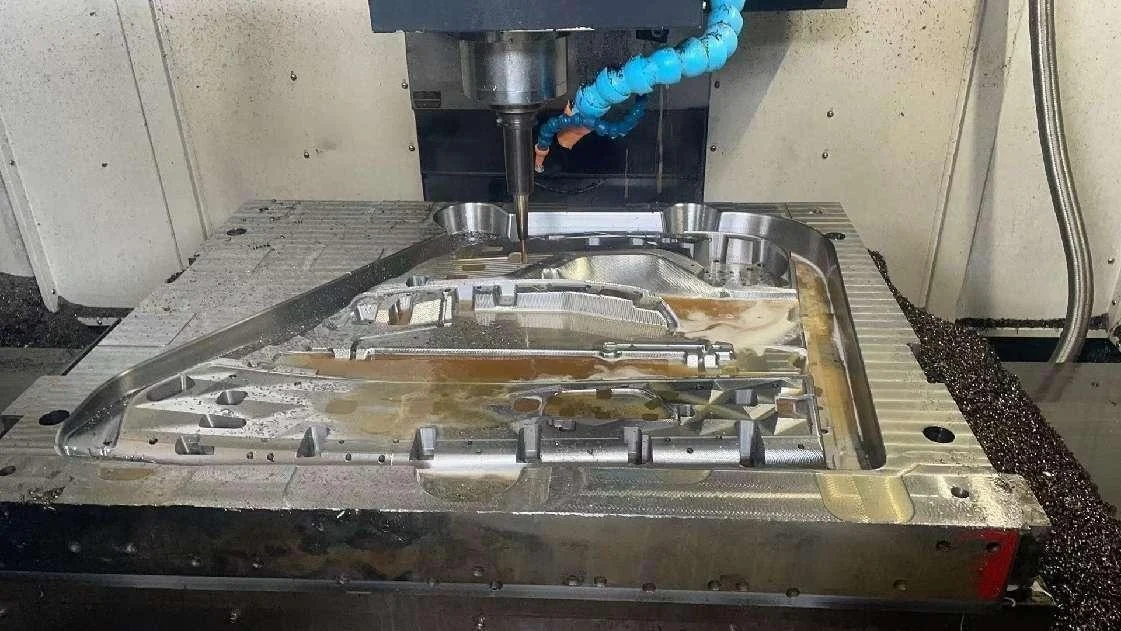
Cavities for appearance, fit and repeat production
We supply cavity blocks, cavity-side inserts and matched forming components for conventional, precision, multi-cavity and multi-material tooling. Orders can be supplied as individual components, matched cavity sets or part of a complete mold. Exterior geometry, shut-offs, parting surfaces, cooling interfaces and local replaceable details are considered together instead of treating the visible cavity as the entire specification.
Separate cosmetic and functional surfaces
Identify the product’s visible areas, sealing and mating surfaces, permissible witness lines and the approved finish reference. A polish designation, a texture code and a roughness value describe different requirements. We agree the finishing route, protected edges and inspection conditions before final finishing. Where several cavities produce matching visible parts, retain cavity identification and assess the parts against the same approved appearance sample.
| Cavity definition | Current model and 2D drawing; part revision; cavity count and numbering; shrinkage basis and areas requiring confirmation. |
| Steel and condition | Specified grade, material evidence, hardness, heat-treatment route and any repair or coating restrictions. |
| Interfaces | Core relationship, shut-offs, insert seats, gate details, vent locations, cooling connections and mounting datums. |
| Surface acceptance | Polish or texture reference, appearance zones, local roughness, edges to preserve and the agreed evaluation sample. |
| Delivery condition | Machined only, ready for fitting, fully finished, or fitted and verified within a complete mold. |
Manufacturing and inspection
The route may combine CNC machining, EDM, wire cutting, grinding and controlled finishing. We review inaccessible features, sharp-corner requirements, deep sections and the relationship between machining and later surface treatment. Inspection focuses on the agreed critical dimensions and datums. Cavity-to-cavity checks, cooling-interface checks and surface evaluation are included where specified; the quotation identifies the records supplied with the components.
From cavity approval to molded samples
For a full-tool program, fitting is followed by mold-action checks and trials using the agreed resin and equipment. Samples are linked to their cavity, tool revision and trial conditions. Dimensional, appearance and functional results are reviewed separately before release. For component-only orders, provide the parent-tool information and confirm who owns the final assembly, trial and correction work.
Can one damaged cavity be replaced?
Yes, replacement work can be reviewed as a separate component order. Send the latest approved geometry, parent-tool interfaces, existing finish reference and the reason for replacement. A new cavity must fit the remaining tool and match the intended product; copying damage or wear from the old component is not a sufficient specification.
Discuss a cavity project ↗ · Mold cores · Surface specification guide