ENGINEERING JOURNAL
Practical answers.
Better tooling decisions.
From a replacement insert to a production mold. Find clear guidance on machining, materials, interfaces, trials and the information a supplier needs to review your project.
Start with the decision you need to make.
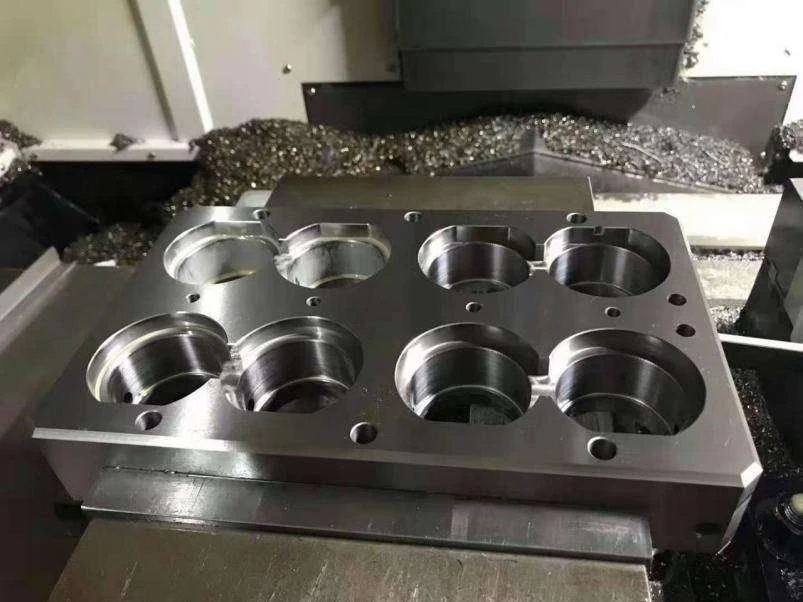
Buying mold components
Blank, semi-finished or ready to fit?
Define the material condition, remaining work, inspection and fitting responsibility before comparing prices.
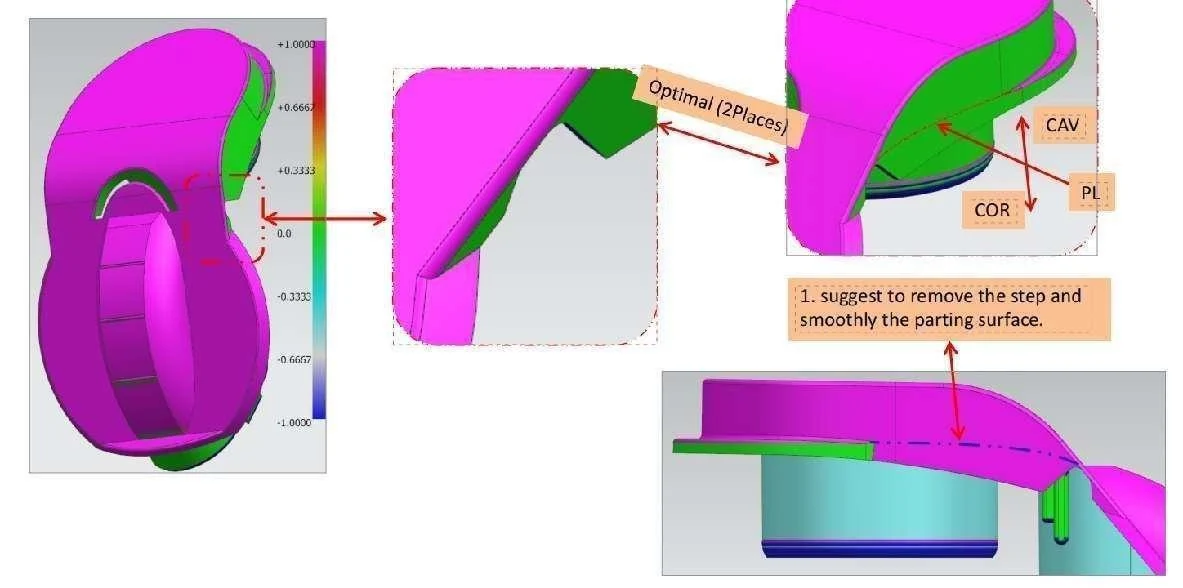
Before cutting steel
What should DFM and Moldflow decide?
Connect the design review and simulation to drawing changes, trial questions and acceptance criteria.
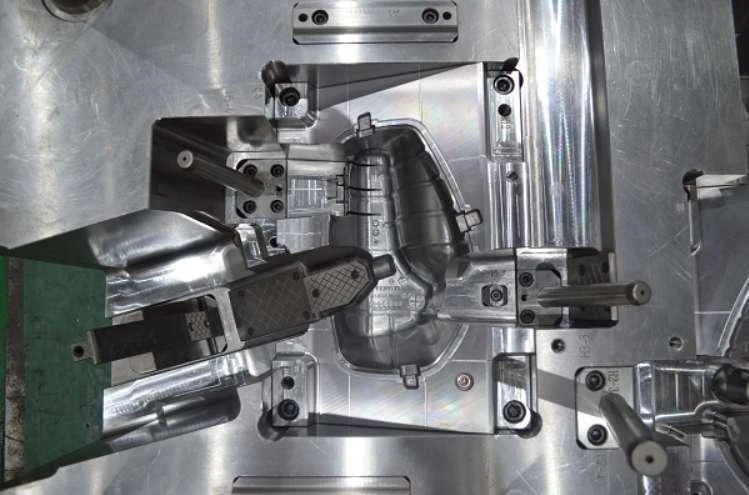
Materials & service conditions
P20, H13 or stainless mold steel?
Compare the application, finish and manufacturing route—not a grade name or hardness number alone.
Find a specific answer.
Machining & fit
CNC, EDM or grinding?
M8 tap-drill size
Replacement-insert fit
Threads & standards
Material & surface
Heat treatment and dimensions
SPI, VDI, texture and Ra
Insert-overmolding interfaces
Budget & development
Rapid tooling for R&D
Why mold prices vary
Mold life and maintenance
Acceptance & delivery
Trials and run-off records
Export packing and handover
Automation acceptance
More engineering guides
Cover images may be manufacturing illustrations. Technical guidance is supported by the references and project-specific conditions stated in each article.

Which Mold Cooling Coupling Is Best? Start with the Circuit, Not the Brand
Choose mold cooling nipples and couplings by interface compatibility, coolant, temperature, flow, shut-off behavior, access and maintenance—not by a universal best-brand claim.
BSPP, BSPT and NPT: Specifying Mold Cooling Threads Correctly
G, R, Rc, Rp and NPT are not interchangeable labels. Compare mold cooling port threads, sealing methods and the information needed before making an export tool.
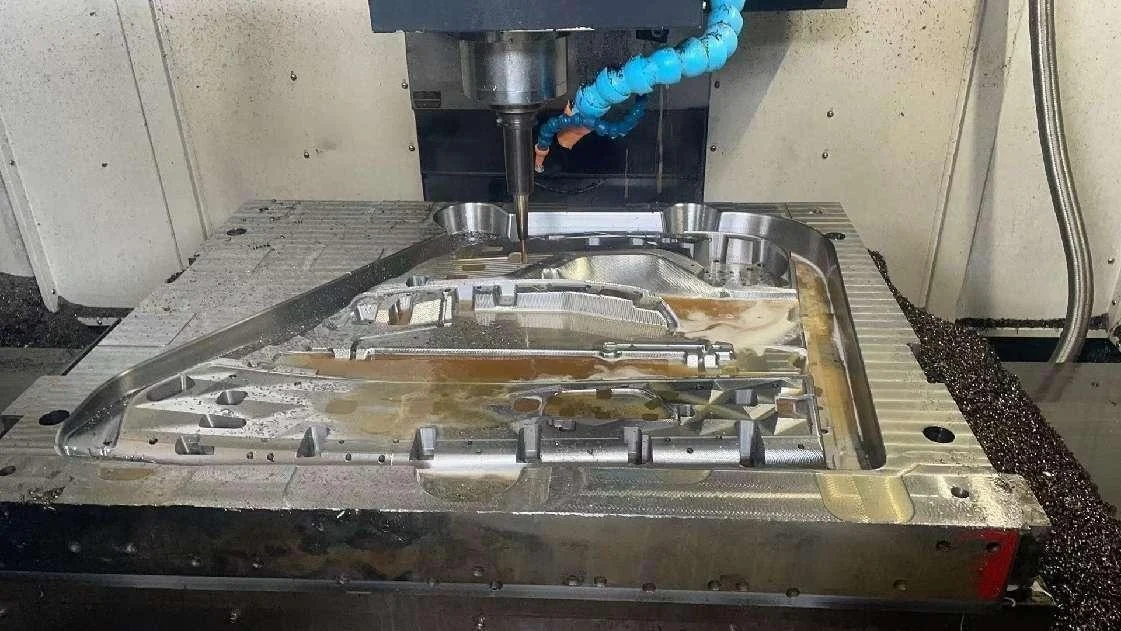
M8 Tap Drill Size: Why 6.8 mm Is Common—and When It Is Wrong
For an M8 × 1.25 cutting tap, 6.8 mm is a common starting drill size. Learn why pitch, forming versus cutting, blind-hole depth and thread inspection change…
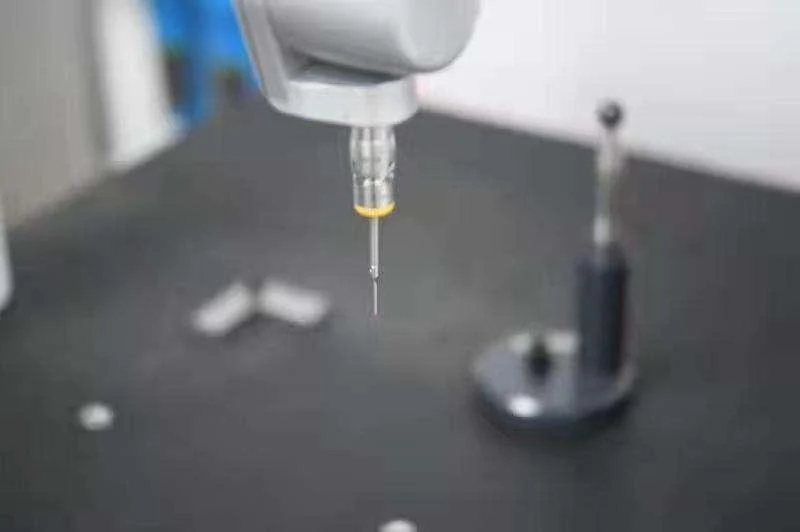
Sub-Micron Features, Mold Tolerances and Part Acceptance
Understand nominal diameter, dimensional and positional tolerance, measurement uncertainty and finished-part acceptance before approving a precision tooling specification.
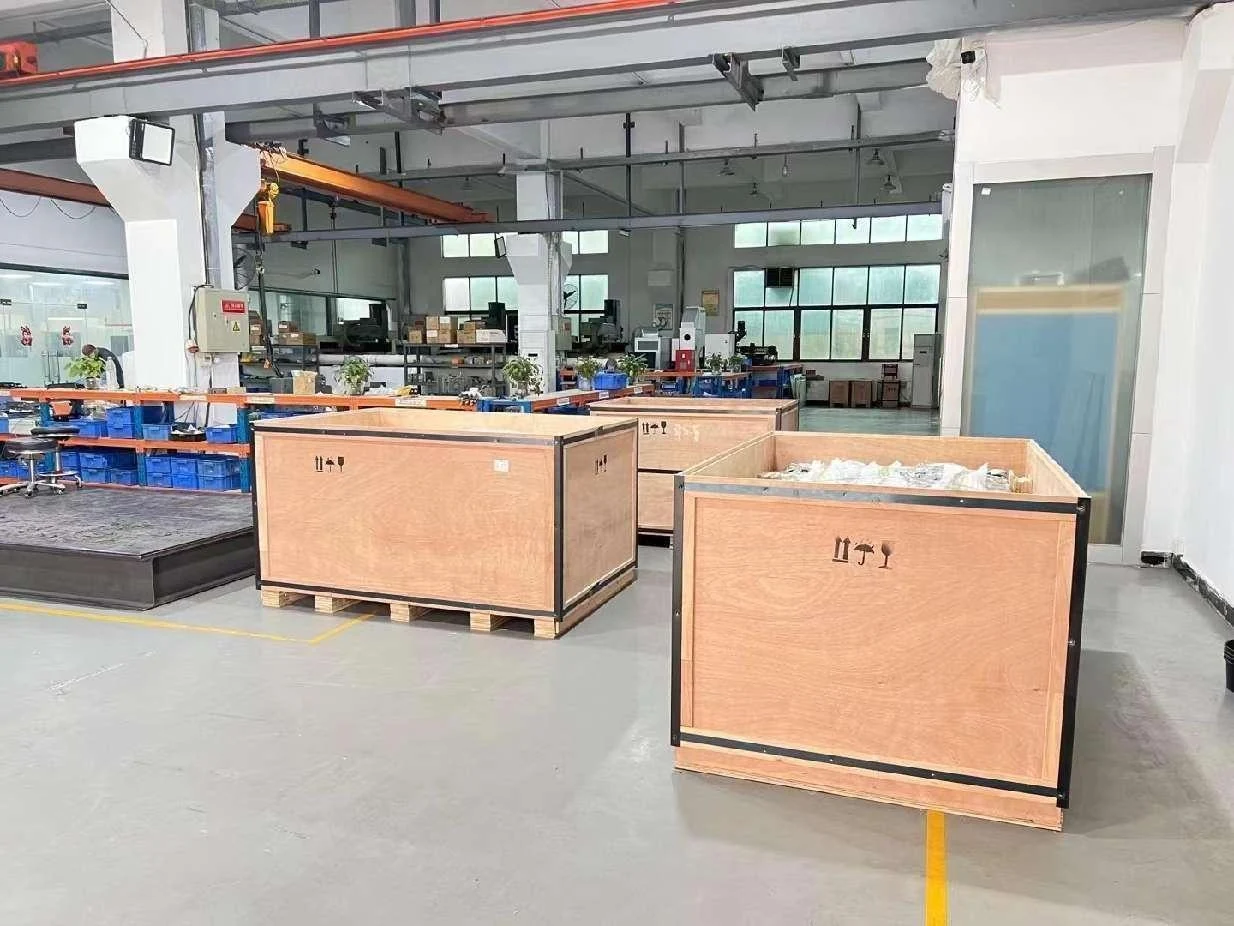
Export Mold Packing, Spare Parts and Handover Checklist
Plan mold export with preservation, structural restraint, protected components, packing records, spares and a usable receiving-factory handover package.
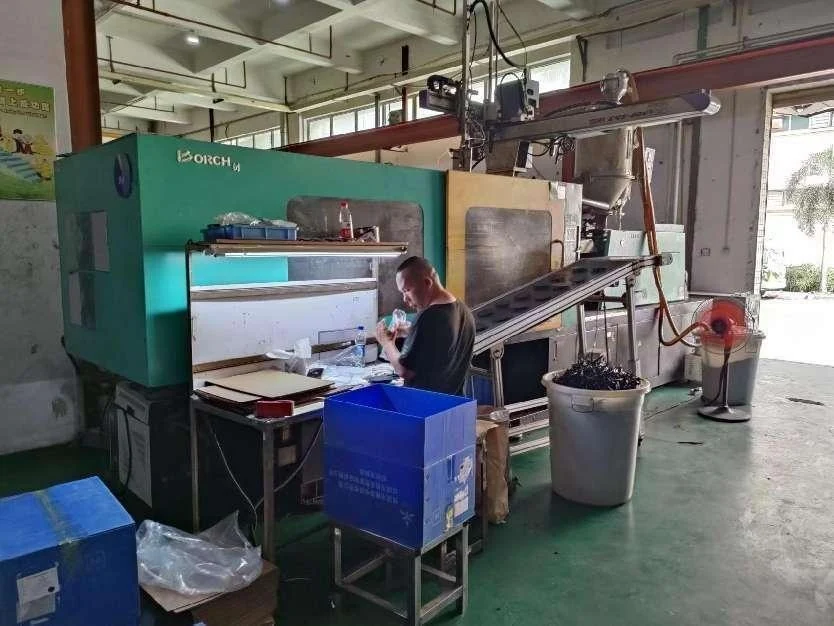
Mold Trials, Run-Off and Acceptance: What Should Be Recorded?
Define mold-trial stages, dry cycling, material trials, cavity samples, process records, corrective actions and the evidence required for final acceptance.
SPI, VDI, Texture and Ra: Specify the Surface You Actually Need
Specify mold polishing, SPI finishes, roughness, blasting and textures using the correct reference, units, protected surfaces and approved molded appearance.
Mold Class, Steel and Life: Three Different Decisions
Distinguish SPI mold class, steel grade, dimensional precision and service-life commitments, including cycles, cavitation, wear parts and maintenance.
Mold Component Names: A Practical Chinese–English Glossary
A practical Chinese-English mold-component glossary with regional naming distinctions and the drawing, catalog and BOM details needed to order the correct item.
Export Mold Specifications: Agree the Interfaces, Not Just the Country
An export-mold checklist for actual receiving-factory requirements: component systems, inch/metric interfaces, cooling, electrical connections, press data and acceptance.
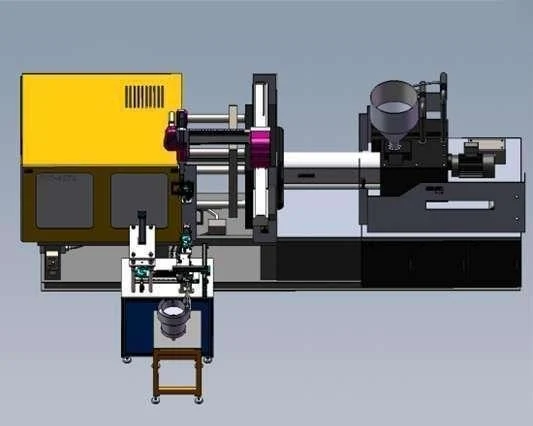
Specify Automation by Accepted Products, Not Machine Speed
Specify automation by accepted-good output, inspection coverage, product variation, rejection, changeover and handover rather than mechanism speed alone.
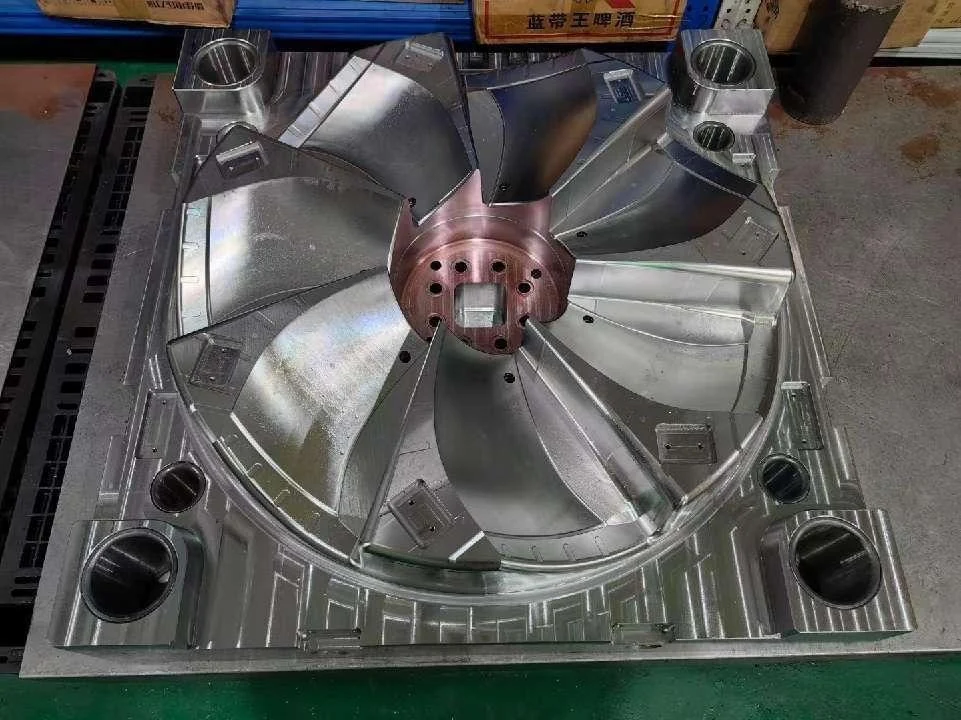
Ordering a Replacement Mold Insert Without Losing the Fit
Replace a mold insert without losing the intended geometry: define the parent-tool fit, revision, steel condition, finishing, inspection and trial responsibilities.